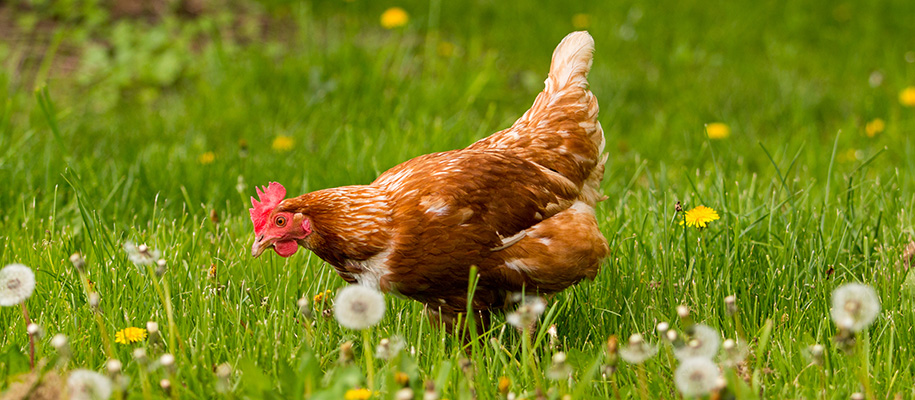
College can be exciting for some and nerve-wracking for others. Students go through many changes very quickly, and it can be difficult to juggle all the emotions that come along with starting your college journey. Many students don’t know what to expect going in and can develop anxiety and even depression. That’s why it’s becoming more common for students to bring emotional support animals (ESAs) to school with them.
ESAs can aid individuals in de-stressing and relaxing so they don’t feel overwhelmed or anxious. Dogs and cats are the most typical ESA choices, but almost any animal can be certified as an ESA, and there are many benefits of doing so rather than just having an animal as a pet. Did you know that chickens can be a great choice for an ESA? It may seem unusual, but here’s some insight on how you can care for and bring an emotional support chicken to college with you!
No landlord can deny your emotional support animal
Chickens are an atypical pet to have as an ESA, but nonetheless, they are protected by law and cannot be denied anywhere. Because of this, any pet fee for housing should be waived and the landlord must make reasonable accommodations for you and your chicken. Did you know that you could even bring a flock of chickens as an ESA? Chickens are social creatures, so it’s not a bad idea to have more than one—but if you’re new to chicken care, it may also be beneficial to start off slow.
Pets are trickier because they can be denied by landlords and are subject to state and city/local laws. Regulations can even change throughout a state, allowing backyard chickens in one city but completely banning them in another. Make sure that your chicken (or your flock) is welcome in the city in which your college is located.
Living in on-campus housing? Numerous colleges have approached me for guidance on how to allow chickens in dorms. Be sure to inquire about your school’s policies for ESAs before bringing yours. Having chickens in dorms is not unheard of; according to a Haverford College blog, “the presence of farm animals in Haverford dorms is amply documented.” So if you’re just starting your college search and have or are considering getting an emotional support chicken, it might be a good factor to add to your search criteria.
Related: 3 Small Animals You Can Actually Keep at College
Types of indoor chickens available
What first comes to mind when someone says they keep chickens is a backyard overrun with chickens and a coop, but there are some chicken breeds that make exceptional indoor chickens. Some of these include but aren’t limited to:
- Silkie chickens
- Sultan chickens
- Cochin chickens
- Barbu D’Uccles chickens
- Polish chickens
These breeds all tend to produce chickens that are calm and even-tempered. They don’t mind being touched or picked up and will even cuddle up with you while watching TV or reading a book. These breeds of chickens can adapt to your lifestyle and be quite content living in your home with you, giving you the support you need.
4 key tips for taking care of your chicken
Now that you know a bit about the laws in places that allow you to have an emotional support chicken and what breeds you should look into, you need to know how to care for your feathered friend. Here are four key tips for taking care of an emotional support chicken!
1. Your chicken needs exercise
While chickens can be content indoors, it needs to stretch its legs and have some outdoor time, much like a dog or cat. You may decide to limit your chicken’s access to only certain parts of your home, so your chicken needs ample time to run around, get exercise, and be itself—a chicken. Dogs love going on walks and so will your chicken! They also love to forage and eat plants. Having a backyard where your chicken can get its daily exercise and graze will keep it happy and healthy. If you’re living at school, get one of those special leashes made for chickens so you can take them for a walk and let them graze in more secluded areas on campus.
2. Your chicken needs baths
If you’ve ever had backyard chickens, you’ve probably never thought of this—and if you’ve never had chickens at all, you’ve definitely never thought about this. Chickens like to dig holes and give themselves dust baths. Now that there’s a chicken living in your home, you’ll need to make sure it stays clean. Dust baths are important for keeping your chicken healthy and clean because they help keep it free of bugs and other parasites while also giving its feathers a coating that makes them water resistant. This can get quite messy, so you should find a good area in your home or dorm for dust baths that’s easy to clean.
Related: 5 Great College Pets for Responsibility and Stress Relief
3. You can house-train your chicken
Trying to get your chicken to use a litter box is difficult and time consuming—but it’s not impossible. Using treats and clickers, much like with a dog, whenever your chicken uses the bathroom is a great way to positively reinforce this behavior. Positive reinforcement is the best way for your chicken to learn. Just don’t ever use any physical force to get your chicken to do something. If the litter box training isn’t going well, there’s also another option! Your chicken can wear a diaper. I know this sounds silly, but it’s a lot better than letting your chicken go wherever it pleases and you having to find the mess. This way you can let your chicken wander freely and not have to worry about finding droppings in your shoes.
4. Your chicken needs a home
You can’t always be with your chicken, so it’s a good idea to have a place where you can lock it up while you’re gone. This way nothing will harm your chicken and it won’t harm anything either. Chickens are just like any other pet, and they can make a mess. Having a comfortable cage or coop where your chicken can play around in your absence without you having to worry is great for when you’re off to classes for the day and can’t come home for a few hours to check up on it.
Related: List: Colleges and Universities That Allow Pets on Campus
The idea of having an emotional support chicken at all is a strange one, let alone the idea of keeping it in a college dorm. But a chicken can be a slightly more low-key option for people who don’t want a dog or a cat—or for people who may be allergic to those animals. With a little bit of research and an open mind, you can find yourself with a great pet and ESA to improve your college experience.
Do you love animals and would love to work with them in your career? Use our College Search tool to look for colleges with animal-related degree programs!